
Executive Summary
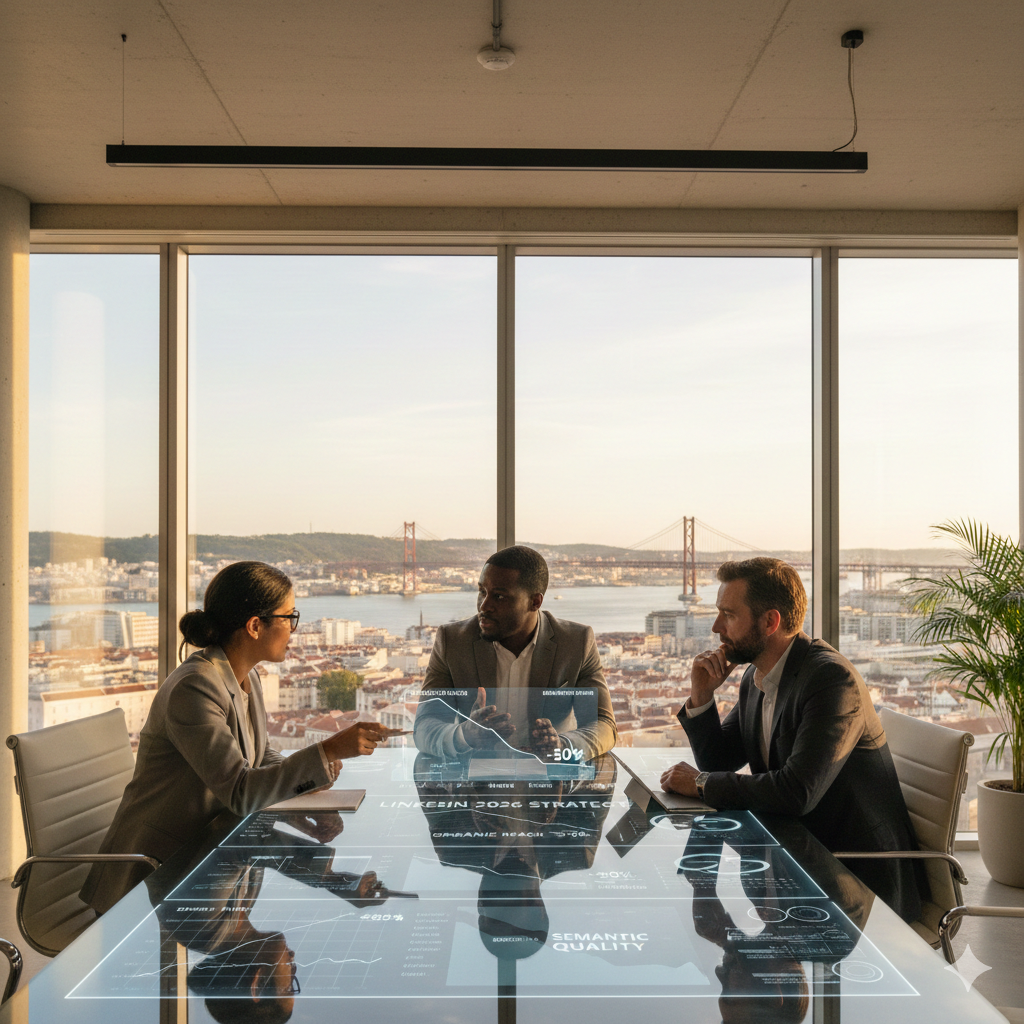
In 2026, the LinkedIn algorithm has shifted its primary success metric from “Virality” (likes and views) to “Depth” (time spent and meaningful interaction). Organic reach has faced a significant decline of approximately 50%, forcing CMOs and Digital Marketing Managers to move beyond “broetry” and engagement pods toward high-authority, knowledge-based content. This article outlines the essential strategies for boosting organic visibility in the current ecosystem, prioritising “Dwell Time” and semantic relevance to satisfy both human professionals and AI-driven discovery engines.
The New Pillars of LinkedIn Organic Reach in 2026
The platform now functions as a selective, strategic communication space where substance consistently wins over volume. To maintain a competitive edge, leaders must align their tactics with five critical signals.
1. Master the “15-Second Rule” for Dwell Time
Stopping the scroll is no longer sufficient. LinkedIn now de-ranks posts if users spend less than 3 seconds on them, while a reach multiplier kicks in for users who stay longer than 15 seconds.
-
Actionable Tactic: Use multi-slide PDF carousels (8–12 slides) or longer captions (1,200+ characters) that deliver immediate value.
-
Result: Each swipe on a carousel signals intentional consumption, boosting your reach multiplier.
2. Semantic Quality in Comments
The algorithm now uses Natural Language Processing (NLP) to evaluate the “weight” of a comment. Generic responses like “Great post!” count for almost nothing.
-
Engaging Strategy: Replace “Agree?” with specific, open-ended questions like, “Which of these three bottlenecks is hurting your Q1 pipeline the most?”.
-
The 90-Minute Window: While the “Golden Hour” has expanded to 90 minutes, responding to comments within the first hour can still provide a 35% visibility boost.
3. Priority for Native Video and Mobile Optimization
With 72% of activity happening on mobile, users decide whether to engage within 7 seconds.
-
Visual Hook: Native video provides a 69% performance boost, especially when branding appears in the first four seconds.
-
Formatting: Use vertical framing for videos and ensure captions are structured with generous white space for mobile readability.
4. Optimize for “AEO” (Answer Engine Optimization)
A growing portion of LinkedIn inbound traffic now originates from AI tools like ChatGPT, Gemini, or Perplexity.
-
Strategic Shift: Focus on “Generative Engine Optimization” (GEO) by consistently publishing high-quality assets that AI models can reference as authoritative sources.
-
Authority Signal: Posting from personal executive profiles is currently outperforming company pages, as the algorithm prioritises human perspective and lived experience.
5. The External Link Penalty
It is now confirmed that including external links in the post or the first comment can lead to a 20–30% reach penalty.
-
Solution: Direct followers to a link in your Bio or the Featured Section of your profile to avoid being throttled by the algorithm.
Conclusion
Success on LinkedIn in 2026 requires a move from “fast-burn reach” to “slow-burn authority”. By focusing on Dwell Time, semantic engagement, and executive positioning, brands can navigate the 50% drop in organic reach and build sustainable influence. For a deeper look at how to align these social tactics with broader corporate objectives, explore our insights on Aligning Business Goals with Marketing and Sales.
FAQs on LinkedIn Organic Posts
1. Why is my organic reach lower on LinkedIn in 2026? The algorithm has shifted focus from viral metrics (likes) to depth metrics (Dwell Time and meaningful comments). General organic reach is down roughly 50% for accounts not providing deep expertise.
2. Should I still put my link in the first comment? No. Current data shows that “Link in First Comment” posts receive 20–30% less reach. It is better to use your profile’s Featured section or Bio.
3. What is the best content format for engagement? Native PDF carousels (documents) and native videos remain top performers. Carousels benefit from multiple swipe interactions, which signal “intentional consumption”.
4. How often should I post to maximize visibility? The optimal frequency is 3 times per week, spaced at least 24 hours apart. This cadence can increase visibility by up to 120% compared to sporadic posting.
5. How do AI tools like Gemini or ChatGPT affect my LinkedIn strategy? Users are increasingly asking AI “who to follow” or “who is an expert in X.” By maintaining topical authority on 1–2 niche subjects, you increase the chances of these models recommending your profile.
APA 7 References:
-
Agorapulse. (2025, September 3). LinkedIn Algorithm 2026: What Has Changed and How to Stay Visible. https://www.agorapulse.com/blog/linkedin/linkedin-algorithm-2025/
-
Digital Outcomes. (2025, September 12). Align Business Goals with Marketing and Sales: A Strategic Imperative for CMOs. https://digital-outcomes.eu/align-business-goals-with-marketing-and-sales-a-strategic-imperative-for-cmos/
-
MeetEdgar. (2026, January 14). How the LinkedIn Algorithm Works [2026 Guide]. https://meetedgar.com/blog/how-the-linkedin-algorithm-works-2026-guide/
-
Social Media Today. (2025, June 18). LinkedIn Shares Tips on How to Boost Organic Posts. https://www.socialmediatoday.com/news/linkedin-shares-tips-on-how-to-boost-organic-posts-infographic/810559/